
The Ocean's Changing Currents: A Living Systems View
When facing the terrifying math of failing global ocean currents, existential dread can physically paralyse us. But living systems show us that complex systems do not just vanish; they contract. Reclaim your agency by returning to the dirt to garden real, systemic wealth in your local ecology

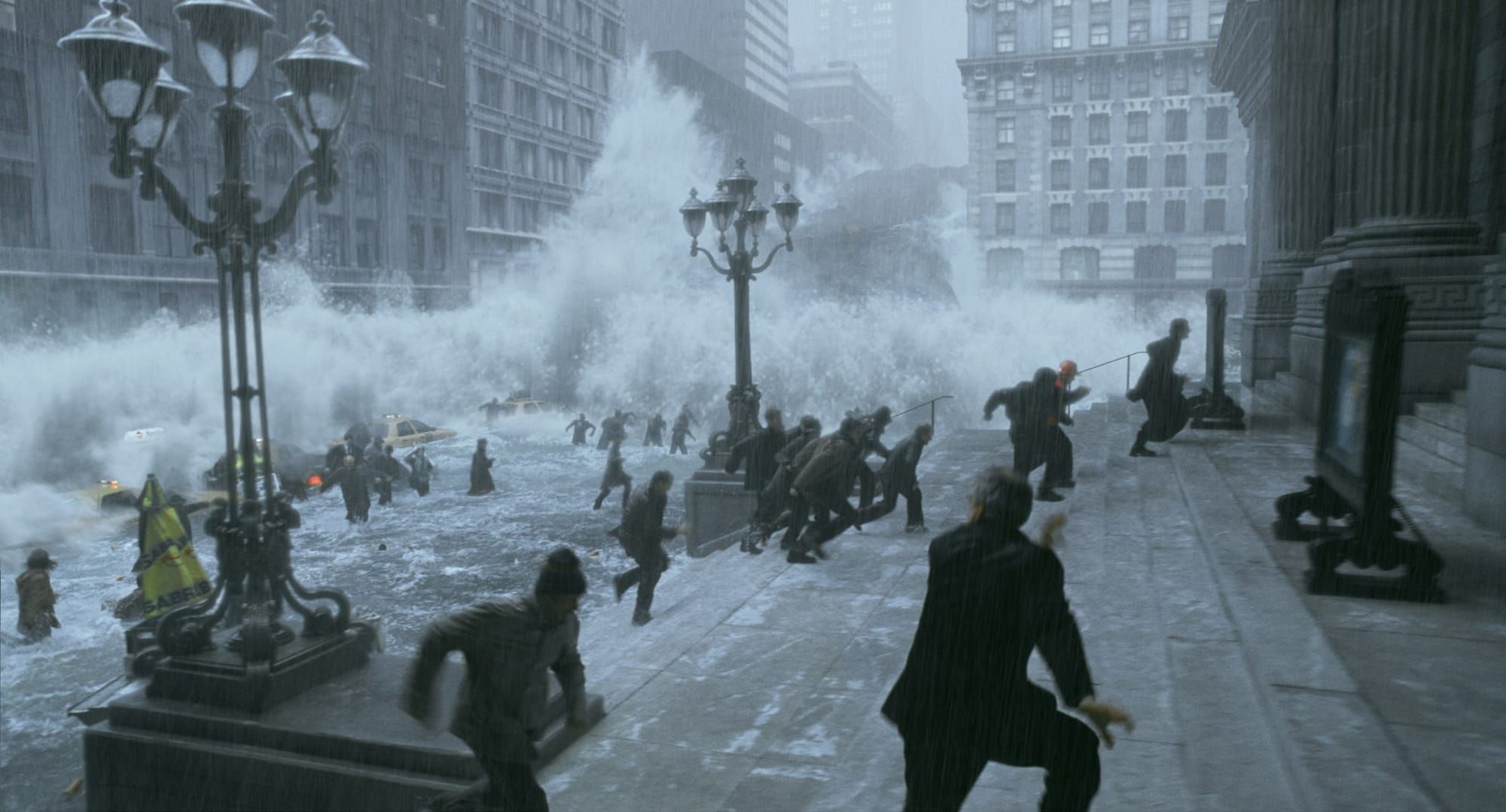
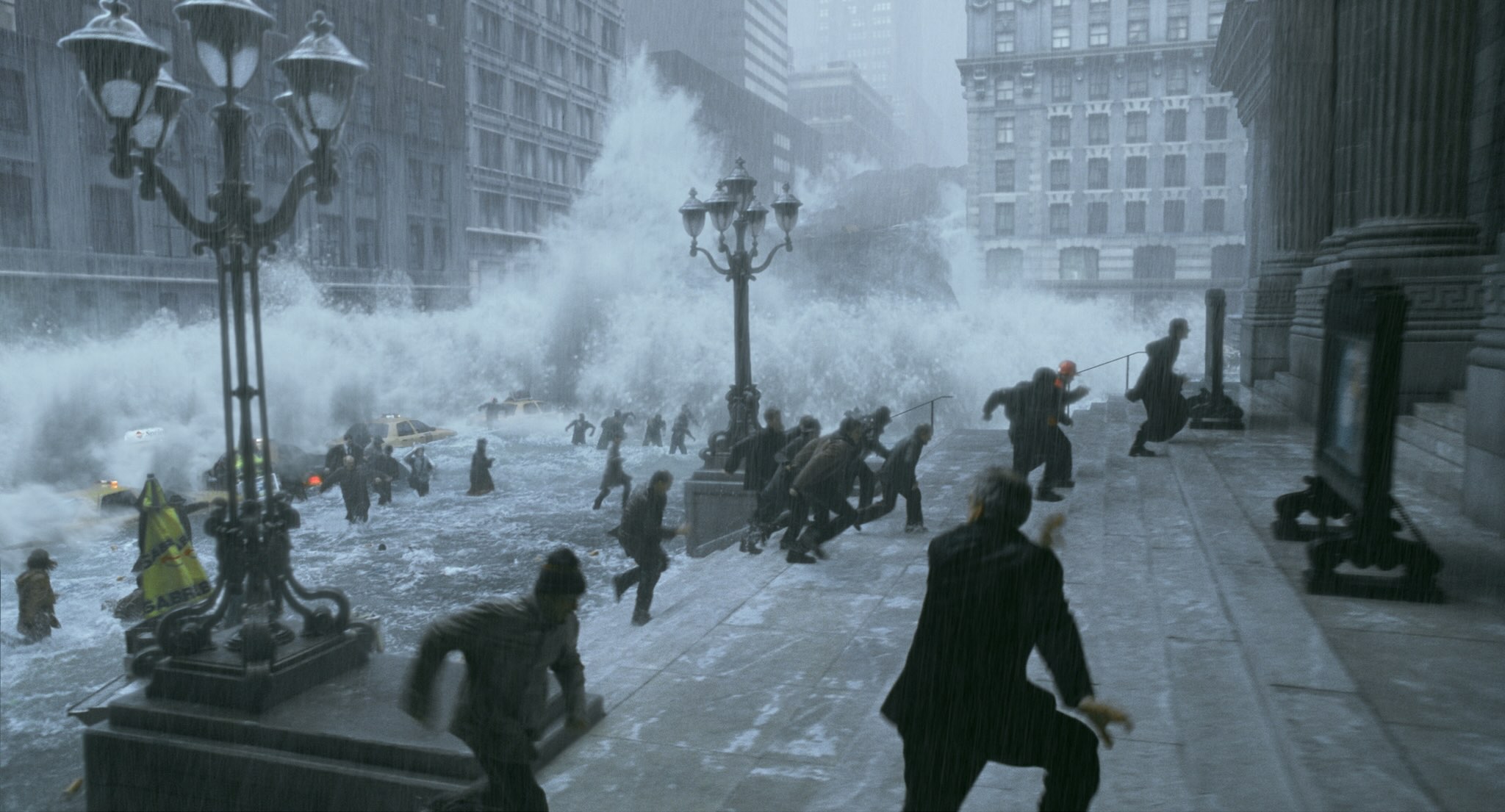
There is a patch of ocean just south of Greenland that is telling us a story about the end of our current paradigm.
While the rest of the planet steadily warms, this specific region—dubbed the "cold blob"—has been cooling for the past 150 years. Scientists are observing this anomaly as a critical warning sign that the Atlantic Meridional Overturning Circulation (AMOC) is weakening. This colossal heat pump, which transports warm water from the tropics up to the North Atlantic, is being choked by fresh meltwater from Greenland's glaciers. Estimates suggest the current has already slowed by 15% since the 1950s.
If this system crosses a tipping point and collapses, the climate does not change gradually; it flips. The consequences map out a terrifying level of global friction: deeply plunging winter temperatures across Europe, disrupted monsoons in West Africa and India, failing agricultural systems, and the potential release of billions of tons of deep-ocean carbon.
When I encounter data of this magnitude, the existential dread can feel physically paralysing. It wakes me up from the mechanical trance of my hyper-connected, globalised baseline—I can buy coffee, petrol, and mobile phone services here in Thames, NZ.
Faced with the terrifying math of these cascading tipping points, the dominant worldview scrambles for mechanical salvation. I see proposals to geo-engineer our way out of the consequences: dragging massive underwater parachutes to pull the ocean currents forward, building giant dams across the Bering Strait, or spreading aerosols in the stratosphere to block the sun. These are not true solutions; they are desperate attempts to artificially prop up a fragile, 200-year-old global infrastructure.
What is the living systems view? And how might this perspective enable me to act?
Both the historical and living systems views show me a different physics at play. When a highly complex system can no longer pay the energy costs required to sustain its expansion, it does not immediately vanish. It contracts. It simplifies.
This contraction is only apocalyptic if my entire sense of identity, safety, and wealth remains tethered to a collapsing global hyper-connected system.
The friction of the AMOC data forces a profound choice. I can spend my life energy anxiously bracing for this collapse, or I can accept that extraordinary, energy-intensive complexities are not permanent.
I can reclaim my agency by returning to the dirt of my local ecology.
I cannot engineer the Atlantic Ocean. But I can garden the conditions for real, systemic wealth right where I stand, building a livelihood that thrives in the contraction.
When you look at the shifting baseline of our global climate, where are you still waiting for the mechanical system to save you, and what tangible wealth could you be building in your local ecology today?
See you at a campfire,
Ākāśadāka