
How to 'really' Live on Earth: a reflection on inspiration and action
Inspiring films about the Earth healing awaken our essence. Yet, sharing a link online traps our agency in a digital Skinner box. Break the trance. Apply your innate skills directly to the dirt of your local ecology to garden real, systemic wealth.

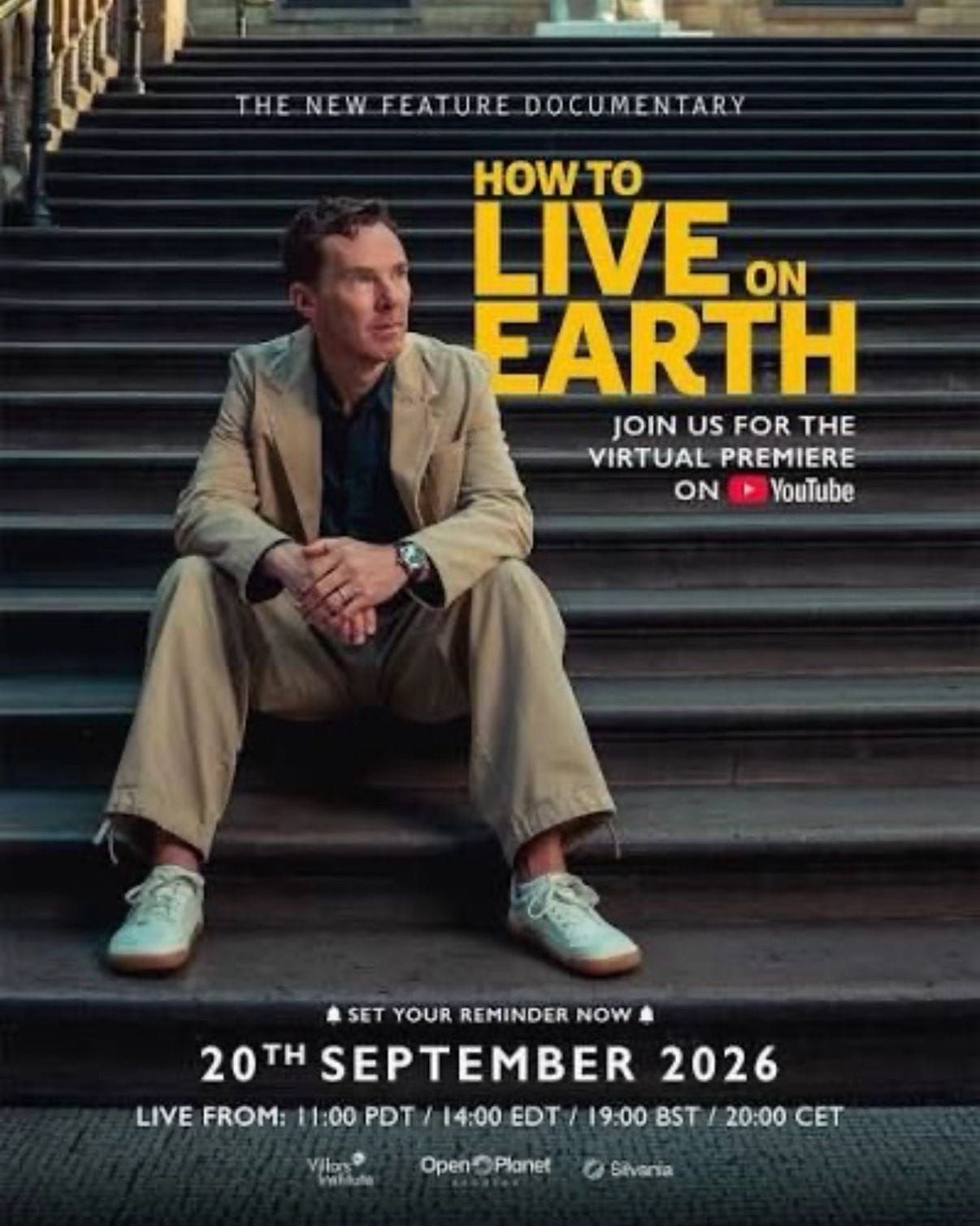
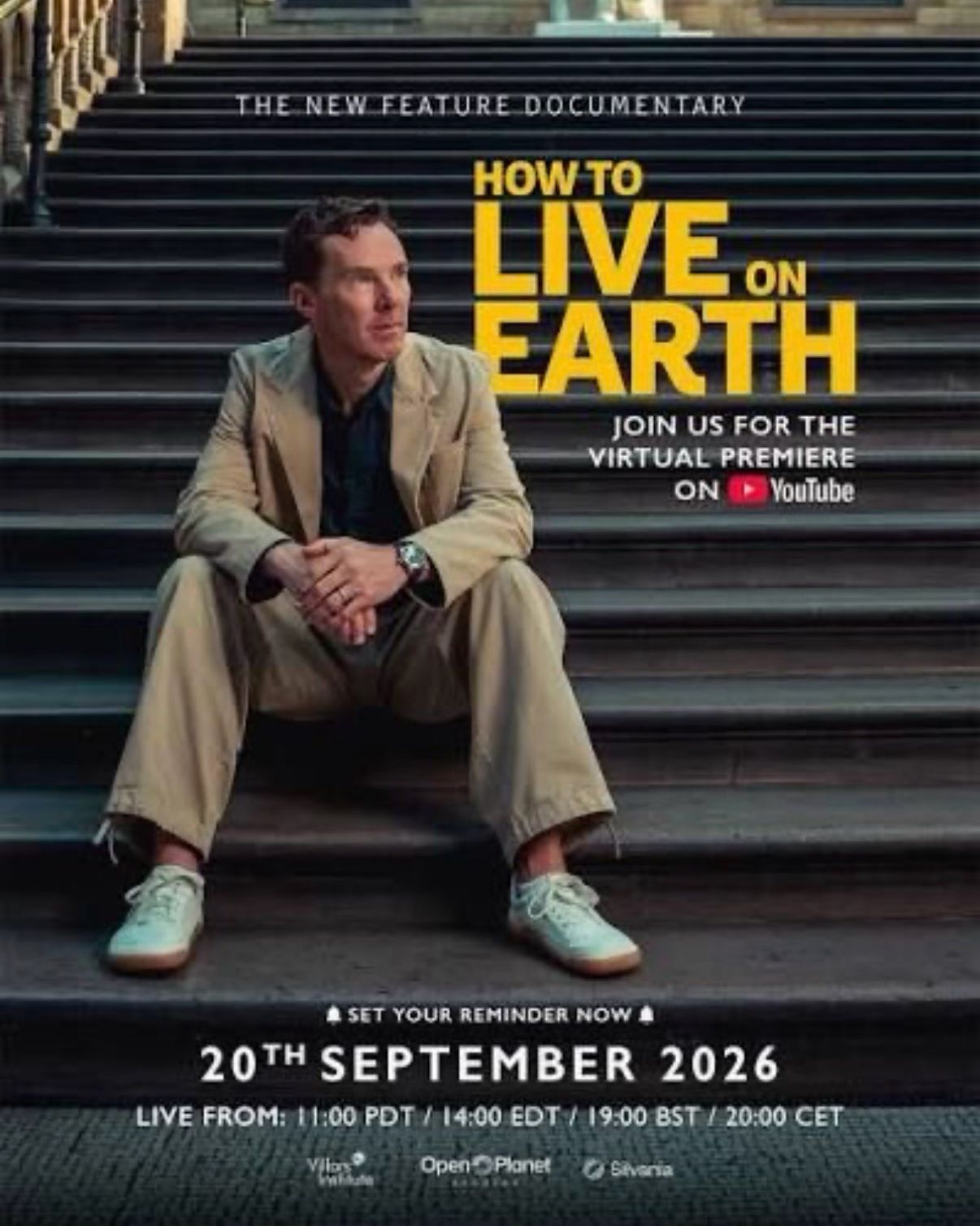
When I watch a film like How to Live on Earth, something deep within me wakes up. I see hydroelectric dams coming down to let salmon swim upstream, and marine biologists playing "coral jazz" to coax life back to bleached, silent reefs. The awe I feel isn't just a passive appreciation of nature; it is a recognition of my own essence. It reminds me that my existence is not limited to the repetitive, exhausted patterns of the modern workday, but is deeply connected to a larger world of living potential. I remember that I am meant to be a steward, a kaitiaki, capable of gardening the conditions for life to regenerate rather than just extracting from it.
But then the credits roll, and I encounter a profound friction. I usually take that deep inspiration and immediately channel it into a WhatsApp message, a Facebook or LinkedIn post, sending the link, hoping they too will watch and pass it on.
What is actually going on here?
This is not the first inspirational movie I have done this for. As a kid, I did it for Star Wars back in 1979 by talking with my friends in the school playground and now most recently for Riverwoods. In fact, a team of us from Whakaora organised a film night for those operating in New Zealand’s Construction Industry to watch it. Attendance granted architects Continuing Professional Development points to maintain their registration.
What am I not seeing? I feel like I am blind, fumbling in the dark, because I observe in myself and hear the excitement in others about possible change and then nothing happens. It is back to business as usual and I am feeling slightly better about myself.
Without realising it, I think I step out of what is real and true, which I have been briefly connected to through the movie, and back into what is not real or true, what I would call a convenient fiction that maintains the economics of extraction. The digital platforms I use to connect and share information are part of this extraction machine and operate on the same psychological principles as a Skinner box, dispensing unpredictable hits of validation and dopamine that keep me obsessively pressing the share button (the lever). Perversely, this continuous neuro-chemical flooding of my nervous system actively impairs my ability to action change, blinding me to the fact that I am being unconsciously trained by an algorithm that does not care about regenerating life, only that I am pressing the share button. I am being trained to press a button which generate views and money for corporate entities. Does it work? Yes, financially these are the wealthiest corporates on Planet Earth. And the real danger is that I substitute the dopamine hit of "sharing inspiration" for actual, physical action, trapping my agency in a comfortable digital prison, literally stopping me from taking any further action because by pressing the share button I think I have.
I will be clear, I have not!
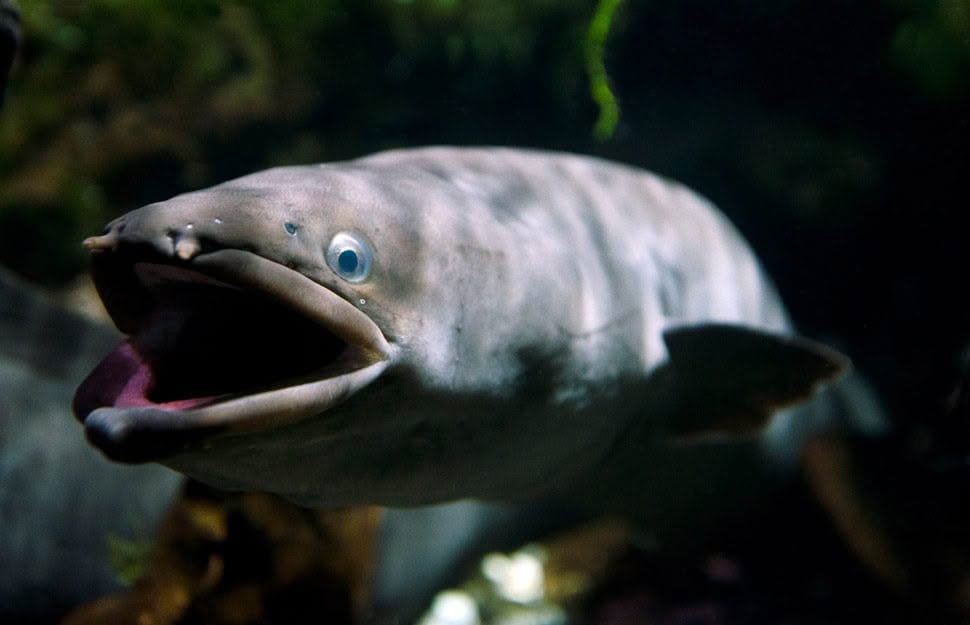
I never got up from my seat after watching Riverwoods and explored, in a deep or actionable way, what the equivalent of this is in my local ecology here in Thames. I am still not sure of the health of the eel (tuna) in the Tararu stream, today, where I love to swim in the heat of the summer. There used to be so many that they could be fed by hand until the 100-year flood came flashing through 20 years ago. I have only spotted one occasionally since then. Native New Zealand eels have similar migratory patterns to salmon.
It is like I am in a trance and the inspiration has not been enough to wake me up to take action.
The way to break out of this trance, I am discovering, is to shift my level of perception. The massive, planetary restorations I admire on screen do not happen from the top down. They happen because individuals decide to stop acting as passive consumers (of inspiration) and start applying their specific, lived capabilities to their immediate environments.
Regenerating life does not require me to become a different person or wait for an expert to tell me what to do. If I already know how to tend a garden, orchestrate a complicated project, or weave a community network together, I already hold the precise systemic intelligence required to regenerate life on Earth. The shift requires taking those innate skills and applying them directly to my local ecology—my actual neighbourhood, local soil, and the people right in front of me. It means shifting away from transactional relationships and treating my geographic community and the Earth as core partners whose vitality I actively enhance, I actively steward.
I do not need to regenerate life on the whole planet all at once. I just need to take radical responsibility for the places where my feet touch the dirt, drawing out the potential in myself and the people around me.
What would be the effect if one person in every place around the world took radical responsibility for where they live, breathe and work?
I personally believe it only takes one person to catalyse the change our places need to regenerate life. So I guess I better get on with it then and put that inspiration to good use by leading from essence, using my skills and contributing locally to the regeneration of life.
A inflection point for you, the reader:
When you feel that spark of inspiration from seeing the world heal and regenerate, how might you take the unique capacity you already possess like organising, planning, and tending, and use it to garden the conditions for real, systemic wealth in your own backyard?
see you at a campfire,
Ākāśaḍāka