What Happens When You Lead From Essence? My Unfolding Experience
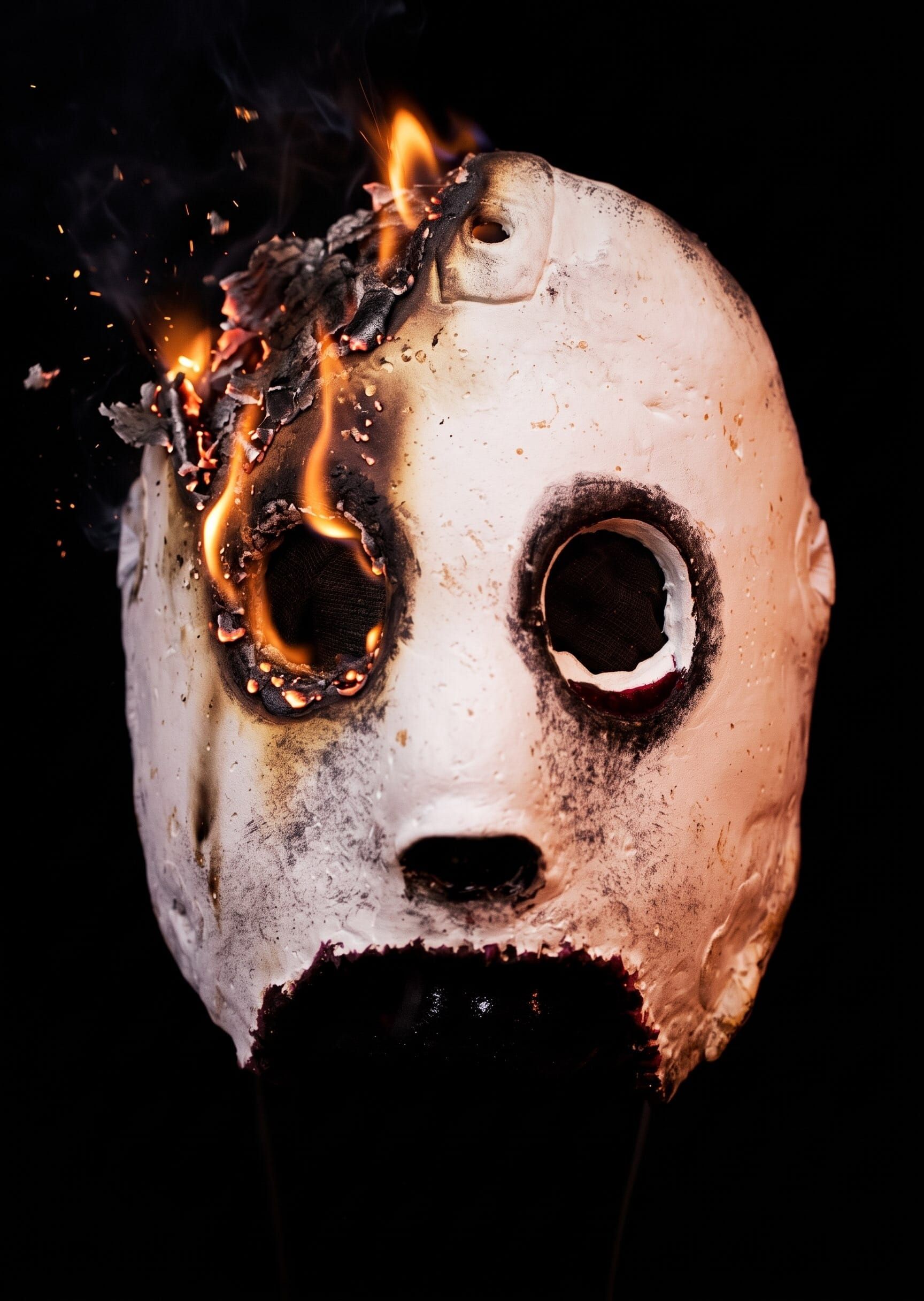
For decades, I survived by playing the Pleaser and the Fixer, managing others' experiences to ensure I belonged. Now, I am dropping these masks to lead my life from essence. The shock? When you stop mediating the world's expectations, you may not recognise yourself—and neither will your friends.


I woke up this morning to a beautiful spring day with a sensation I hardly recognised: I felt soft and strong, but without any fight in me.
For decades, I have relied on certain ways of behaving to survive—specifically the Pleaser and the Fixer—and navigate relationships so that I feel I belong. My Dad always named Aunty Peg as the black sheep of the family. She was an artist and musician, a rarity among my family of farmers, nurses and engineers. I guess I maybe a black sheep too. Nothing made any sense after my sister’s untimely death when I was 19.
As the Pleaser and Fixer I can see now how I have spent most of my life managing other people’s experiences, trying to guarantee positive outcomes and protecting when it got risky. The last part of my name ‘daka’ can be translated as protector. Over the past year I have been slowly stopping this behaviour and dropping these personas so I can lead my life from essence. And in the quiet space left behind, I realised something that shocked me: when you finally start leading your life from essence, you may not recognise yourself. And your friends and family might not recognise you, either.
It reminded me immediately of a poem Sangharakshita wrote in his early twenties called The Mask:
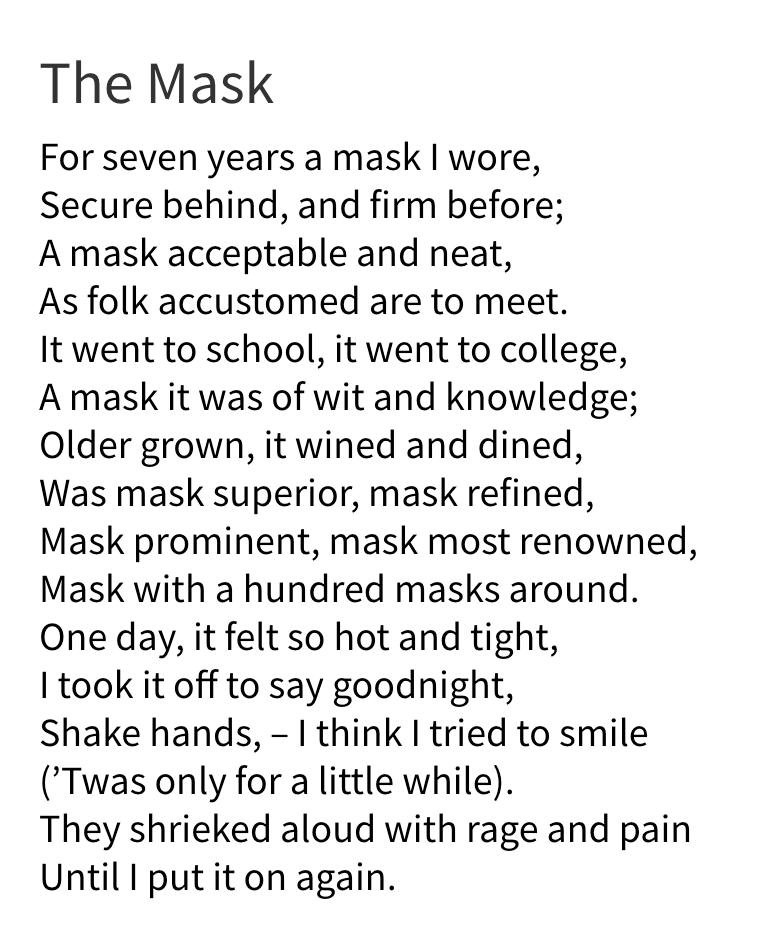
Those last two lines describe the mechanics of any living system.
When I removed the masks of the Pleaser and Fixer, the community that organised itself around my predictable habits became destabilised. Friends and family who are used to leaning on my pleasing nature to cushion their own discomfort suddenly reach out and hit a new unfamiliar boundary. Their pushback—the "shrieks of rage and pain"—is simply systemic change-back behaviour. It is an unconscious demand for me to put the mask back on so they do not have to adjust to the reality of my naked essence.
I am consciously choosing to reveal my essence right now through my daily practice: hosting campfires, writing dispatches, and sitting down for cups of tea. Without the mask, I am discovering there is no script to follow and no predetermined outcome to manage. I am no longer trying to fix anyone's problems or shield them from the hazard of their lives. I simply hold the boundary of the space and let the reality of the present moment unfold.
It is a deeply unfamiliar way for me to operate. I now realise it will be destabilising for friends, family, and colleagues who are probably left a bit confused and wondering where “Akasadaka” went and who this new, self-determining and bounded presence is.
Yet, for the first time in my life, the urge to manage their confusion is dissolving. The energy drain of trying to mediate the world's expectations has been replaced by the quiet nourishment of standing squarely on my own ground. There is no fight left in me because there is no-one left to defend. The masks are burning in the fire, and only essence remains.
see you at a campfire,
Ākāśaḍāka